
Trends in design are constantly changing, influenced by social media, economic shifts, and technological advancements. Some design elements remain timeless while others quickly become outdated. Exploring the evolution of architectural and interior design trends is like taking a wild ride through a wacky time machine. Join the journey of house designs and discover the unique trends that have shaped our living spaces over the years.
1950s: The Rancher
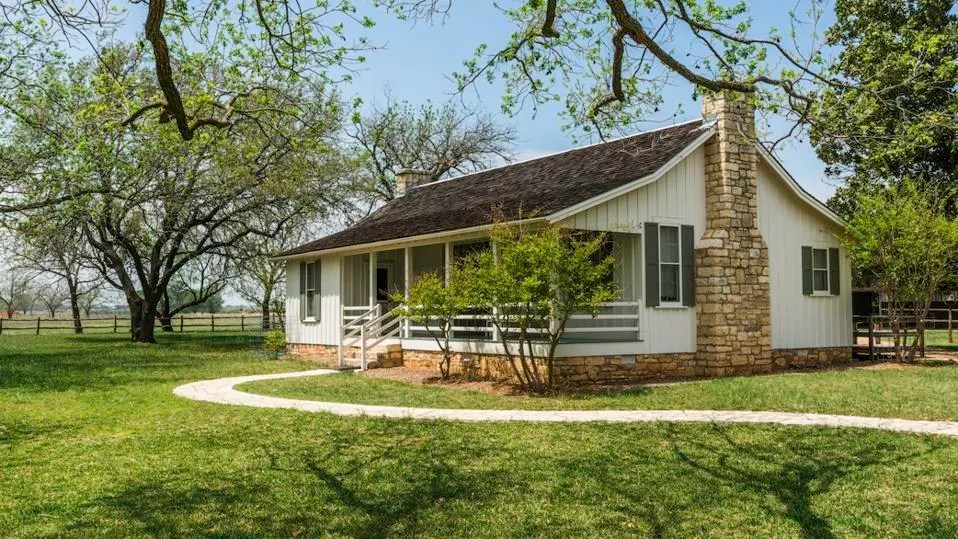
Hey there, 1950’s! So, have you met the rancher – the low-riding, single-story wonder with those oh-so-fancy cross-hipped roofs? These swell dwellings just love to mix things up, blurring the lines between inside and outside with their open floor plans, all while keeping it simple and functional. The ranch style became all the rage thanks to its no-nonsense, comfy vibe, making it the go-to choice for many families. And let me tell you, over the years, ranch homes have seen more variations than a chameleon at a color factory, giving homeowners a smorgasbord of options for that perfect blend of classic and flexible living space.
1960’s: Split Level
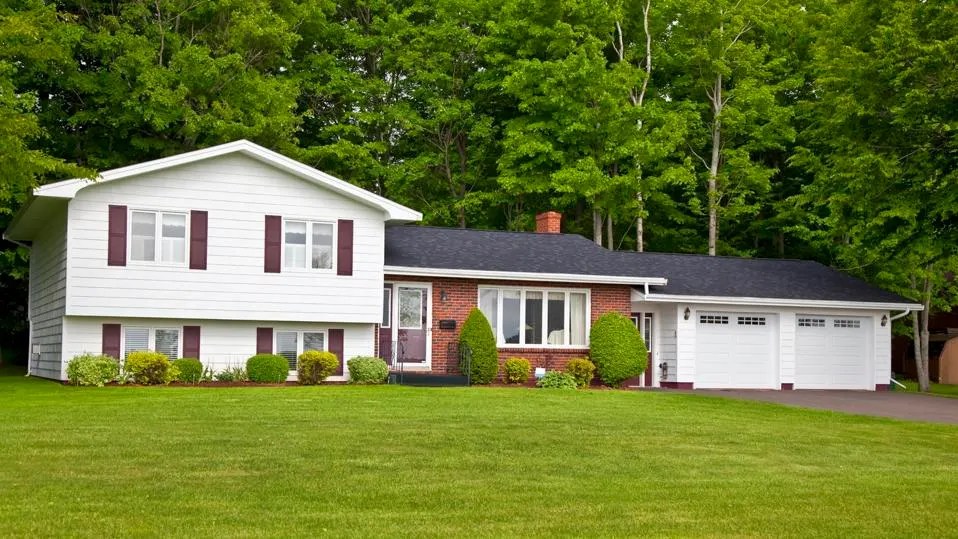
Turn up The Beatles and let’s time-travel back to the groovy 1960s! Get ready to meet the split-level home! This bad boy rocks a unique architectural style that was totally hip in post-war America. Imagine a spacious living room for kicking back, a cozy lower-level family room for hanging out, and a kitchen with a connected dining area for whipping up some killer grub. With its funky half-level layout, this design delivers a versatile and dynamite living experience that still wows with its retro flair.
1970’s: Contemporary Style
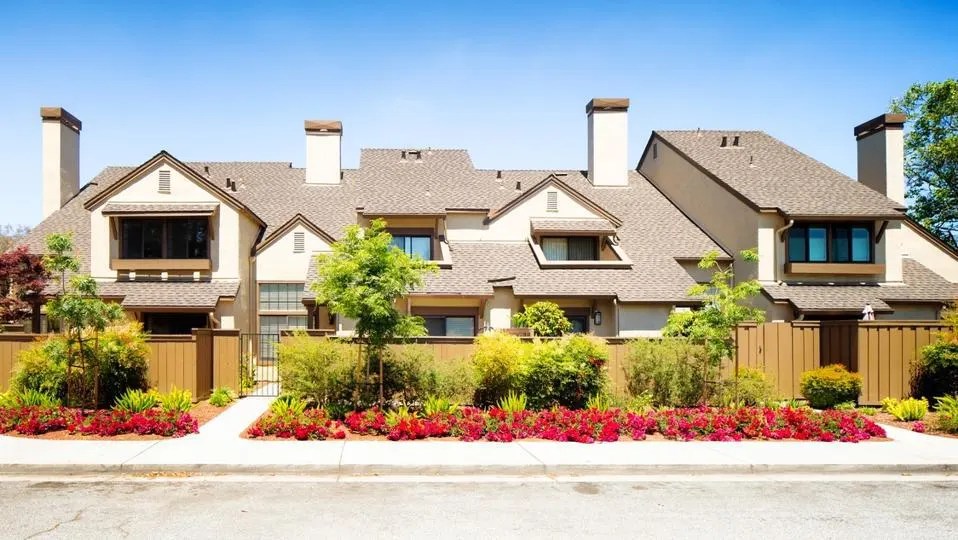
Throw on your mood ring, favorite pair of bell bottoms, and let’s shimmy into the funky 1970s. This groovy decade really shook up the housing scene! The contemporary style homes sashayed onto the stage with their modern, clean lines, massive windows, and open floor plans. These houses were all about blurring the boundaries between indoors and outdoors, using materials like wood and stone. They even threw in some far-out shapes and wacky designs, a real departure from the ordinary. And hey, they hopped on the eco-friendly bandwagon, using trendy materials to make everything more efficient with a touch of Mother Nature’s seal of approval. Peace, love, and sustainable architecture!
1980’s: Neo-Colonial
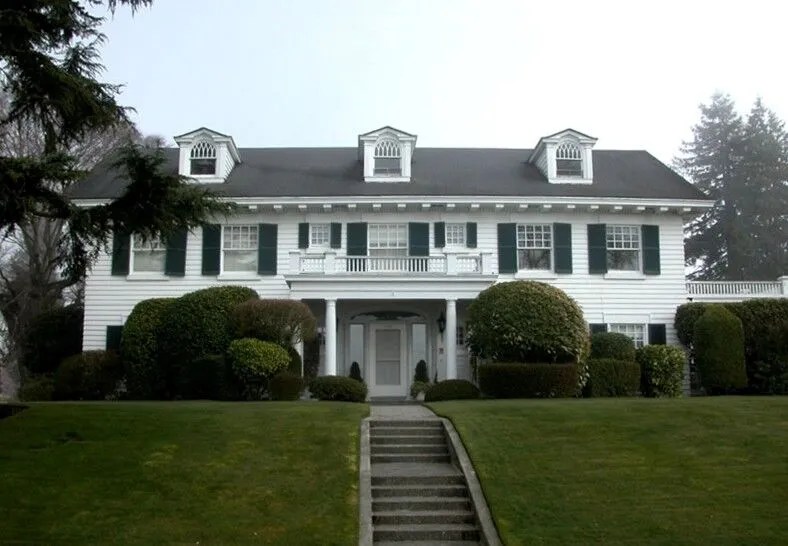
The 80s weren’t just about big hair and bright colors – they were also the era of questionable fashion and some interesting architectural choices. While people strutted around in their bold fashion statements, the most popular home style, the neo-colonial architecture, stood with timeless elegance, as if saying, “I’m here to stay, darling!” This architectural trend embraced features like symmetrical facades, multi-paned windows, and formal entrances, giving off an air of “look at me, I’m classy!” The homes managed to blend modern amenities with old-school charm, making them the architectural equivalent of mullets – business in the front, party in the back.
The 90’s: McMansions
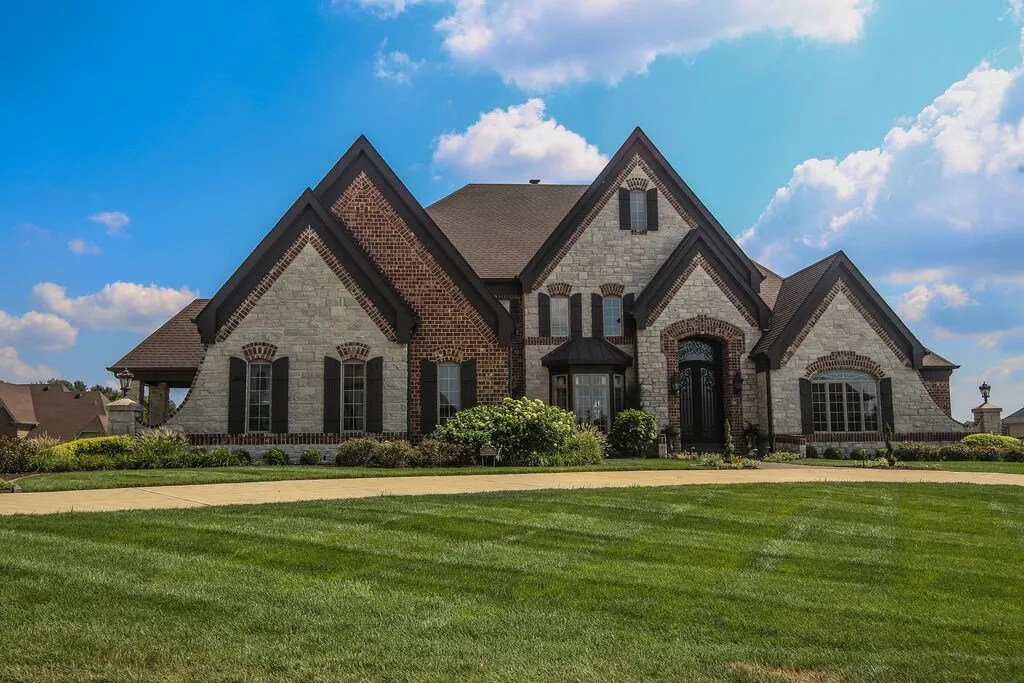
The 90s were an absolute rollercoaster of a decade, with the birth of the internet, grunge music, and some seriously questionable fashion choices that still haunt our photo albums today. Just when we thought we couldn’t handle any more excitement, along came the McMansion craze, totally reshaping the suburban landscape. These larger-than-life, over-the-top McMansions became the poster children of conspicuous consumption and aspirational living. Not to mention the countless debates they sparked about architectural integrity and urban sprawl. Oh, the 90s, what a time to be alive!
2000’s: Neo-Eclectic
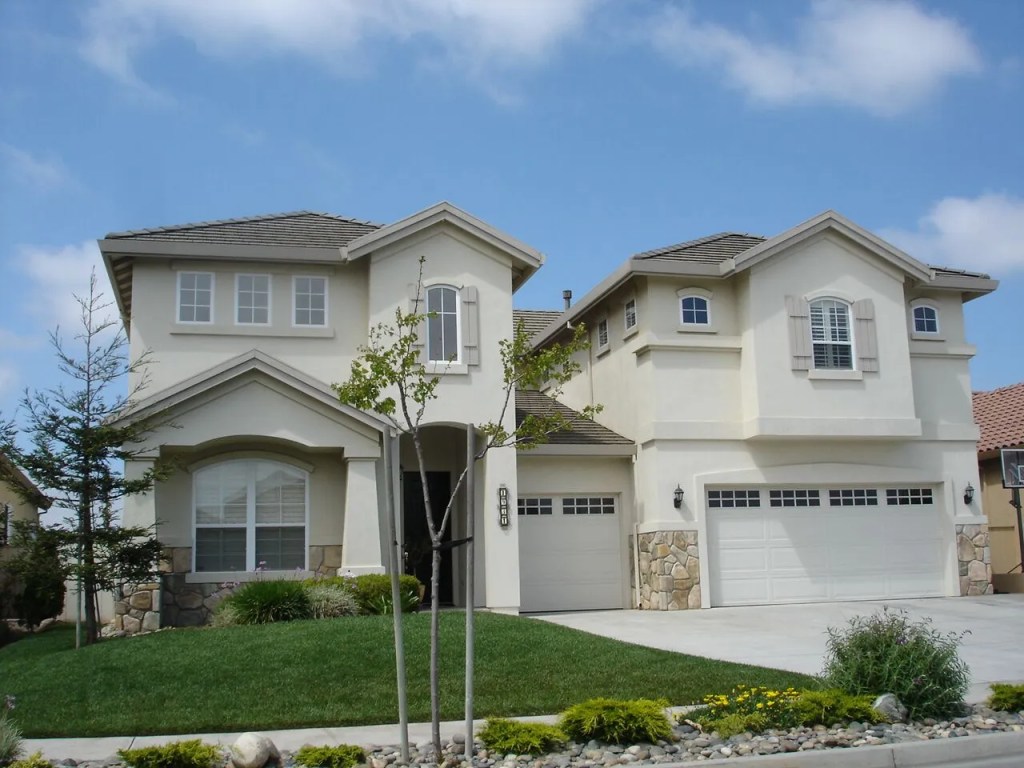
Welcome to the wild 2000s! We rocked low-rise jeans, flipped our fancy flip phones, and binged on MTV while living in the quirkiest Neo-Eclectic Homes. This design is a wacky mishmash of styles from different architectural traditions and periods. It’s all about tech, with entertainment centers, gaming consoles, and early attempts at home automation that were more entertaining than efficient. The open floor plan is perfect for epic movie nights, intense game showdowns, and spontaneous dance-offs. These Neo-Eclectic homes are all about the details and boast better building materials than those flashy McMansions of the 90s.
2010’s: Modern Farmhouse
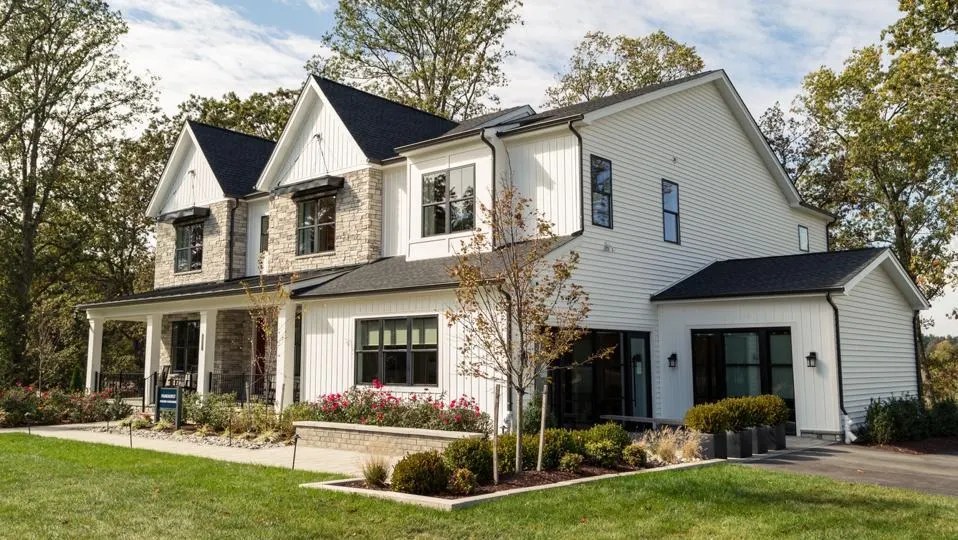
The 2010s saw the birth of the modern farmhouse trend, where contemporary and traditional elements got together for a wild ride. Imagine reclaimed wood and industrial accents arranging a fancy party next to white shiplap walls, all under the spotlight of the great outdoors flooding in through large windows. Outside, gabled roofs and quaint front porches looked like they were trying to outdo each other in the “most charming” contest. This architectural style keeps reinventing itself, offering homeowners a timeless aesthetic.
Present Day
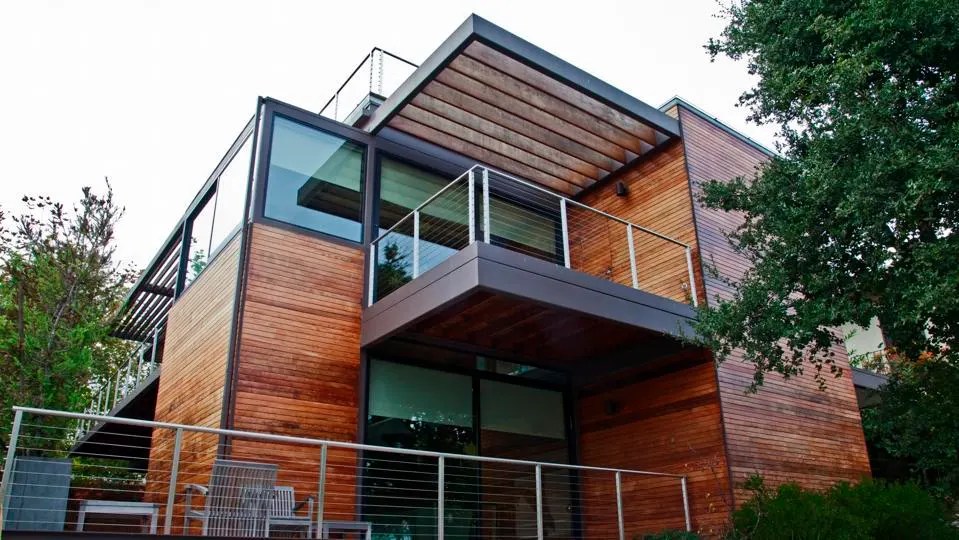
Today, homes are like time travelers, juggling the past and the future while preaching the gospel of sustainability, functionality, and nature hugging. This hodgepodge results in living spaces that are easy on the eyes and the environment, bringing together earthy elements and eco-friendly stuff. It’s all about keeping it simple and classy, with a sprinkle of fancy tech to spice up the functionality.
The transition from traditional to modern architecture is fascinating! Homes have evolved to reflect changing trends, from cozy cottages to towering skyscrapers. Each architectural style tells a captivating tale, mirroring the essence of its era and society. It’s amazing to see how architecture has captured the evolving tastes and lifestyles of society, representing cultural narratives. Who knows what the next big architectural trend will bring!

 The Real Estate Housewife